

Treks in Morocco: The Ultimate Guide to Atlas Mountains, Sahara Paths & Berber Trails
Morocco is one of the most diverse trekking destinations in the world. From the rugged Atlas Mountains to the rolling dunes of the Sahara, the country offers routes suitable for beginners, experienced hikers, and adventure lovers seeking something unique. Treks in Morocco are not only about physical challeng, they are a journey into Berber culture, dramatic landscapes, and ancient traditions that have survived for centuries.
Whether you want to climb North Africa’s highest peak, explore quiet valleys dotted with traditional villages, or cross golden dunes with a caravan of camels, Morocco offers an unforgettable trekking experience. This guide covers the best trekking areas, what to expect, when to go, and how to prepare for your adventure.
Why Choose Morocco for Trekking?
Treks in Morocco stand out for their diversity. In a single trip, trekkers can walk through snowy peaks, green valleys, arid plateaus, and warm desert landscapes. Its proximity to Europe, friendly climate, and well-developed trekking infrastructure make it ideal even for first-time hikers.
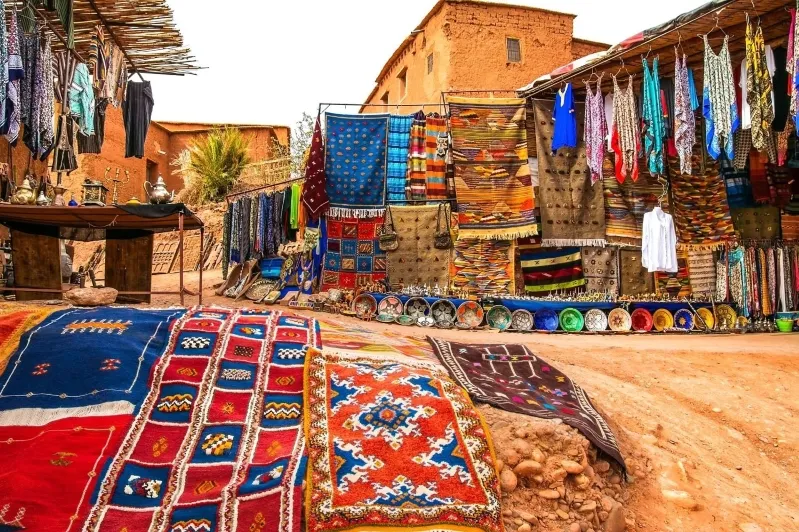
Morocco’s mountains are home to welcoming Berber communities who have lived in these regions for thousands of years. Many trekking routes pass through small villages where visitors can enjoy traditional mint tea, homemade bread, and warm hospitality. This human connection adds another dimension to the trekking experience, making Morocco not just a place to explore, but a culture to experience.
1. The Atlas Mountains – The Heart of Treks in Morocco
The Atlas Mountains are the most famous trekking area in the country. Stretching over 2,500 kilometers, this range is divided into the High Atlas, Middle Atlas, and Anti-Atlas. Each offers unique landscapes and difficulty levels.
Mount Toubkal (4,167 m)
The most iconic and popular trek in Morocco is the ascent to Mount Toubkal, the highest peak in North Africa. The classic Toubkal trek takes two days from Imlil village, although longer versions (3–5 days) allow for better acclimatization and more scenic routes.
What makes the Toubkal trek special is its accessibility. It requires no technical climbing skills during the summer months, making it suitable for anyone with good physical fitness. The views from the summit—deep valleys, rocky ridges, and endless mountain chains—are outstanding.
The Ait Bougmez Valley
Known as the “Happy Valley,” Ait Bougmez offers green terraces, traditional mud-brick houses, and a peaceful atmosphere. Treks in this region are perfect for travelers seeking cultural immersion. You can walk from village to village, meet local families, and sleep in authentic guesthouses.
The M’Goun Massif
Mount M’Goun (4,071 m) is Morocco’s second-highest peak and offers a quieter alternative to Toubkal. The trek across this massif includes long ridges, dramatic gorges, and encounters with semi-nomadic shepherd families. It is an excellent choice for multi-day treks lasting 4–7 days.
2. The Sahara Desert – A Unique Trekking Landscape
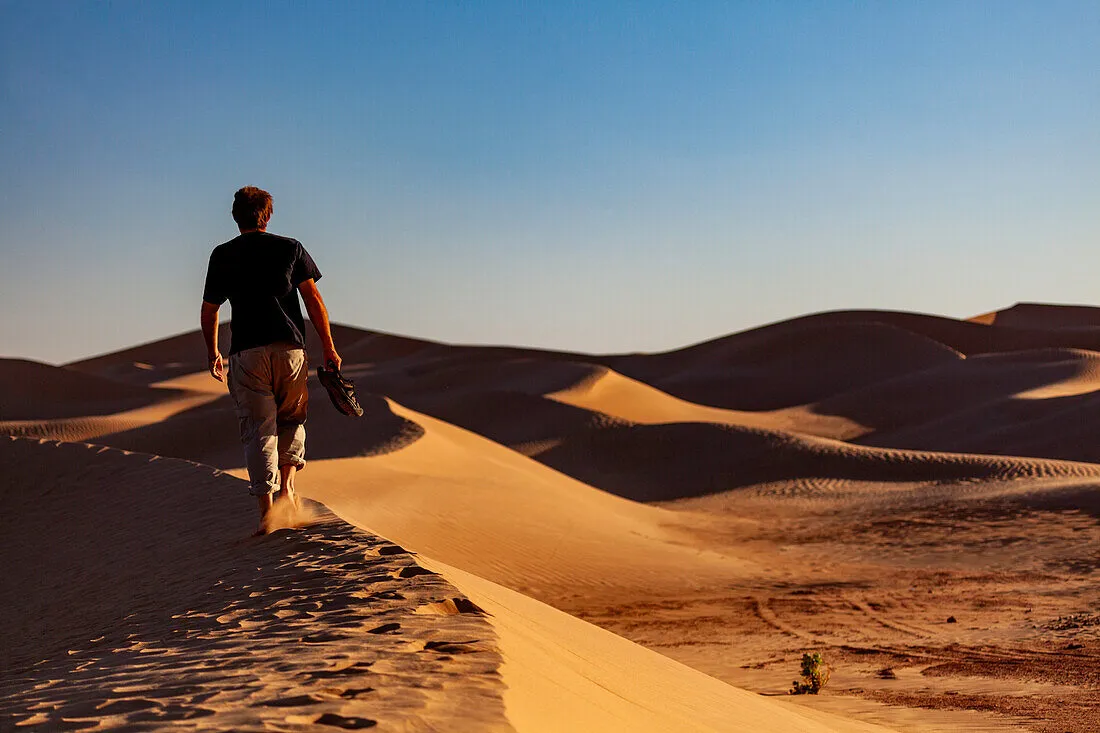
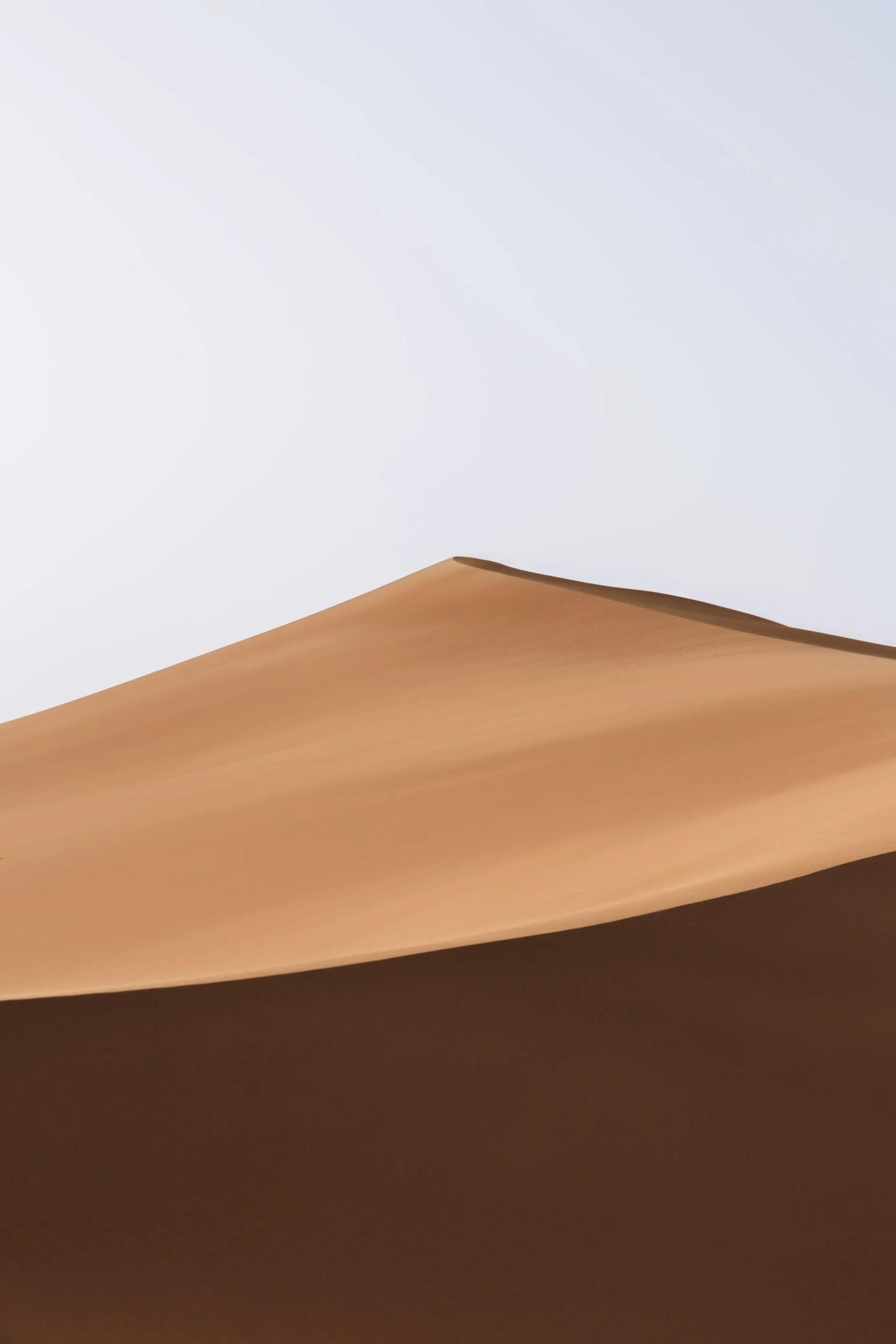
While mountains dominate most treks in Morocco, the Sahara Desert provides an entirely different experience. Desert trekking means walking across soft dunes, sleeping under starry skies, and discovering nomadic culture.
Merzouga & Erg Chebbi
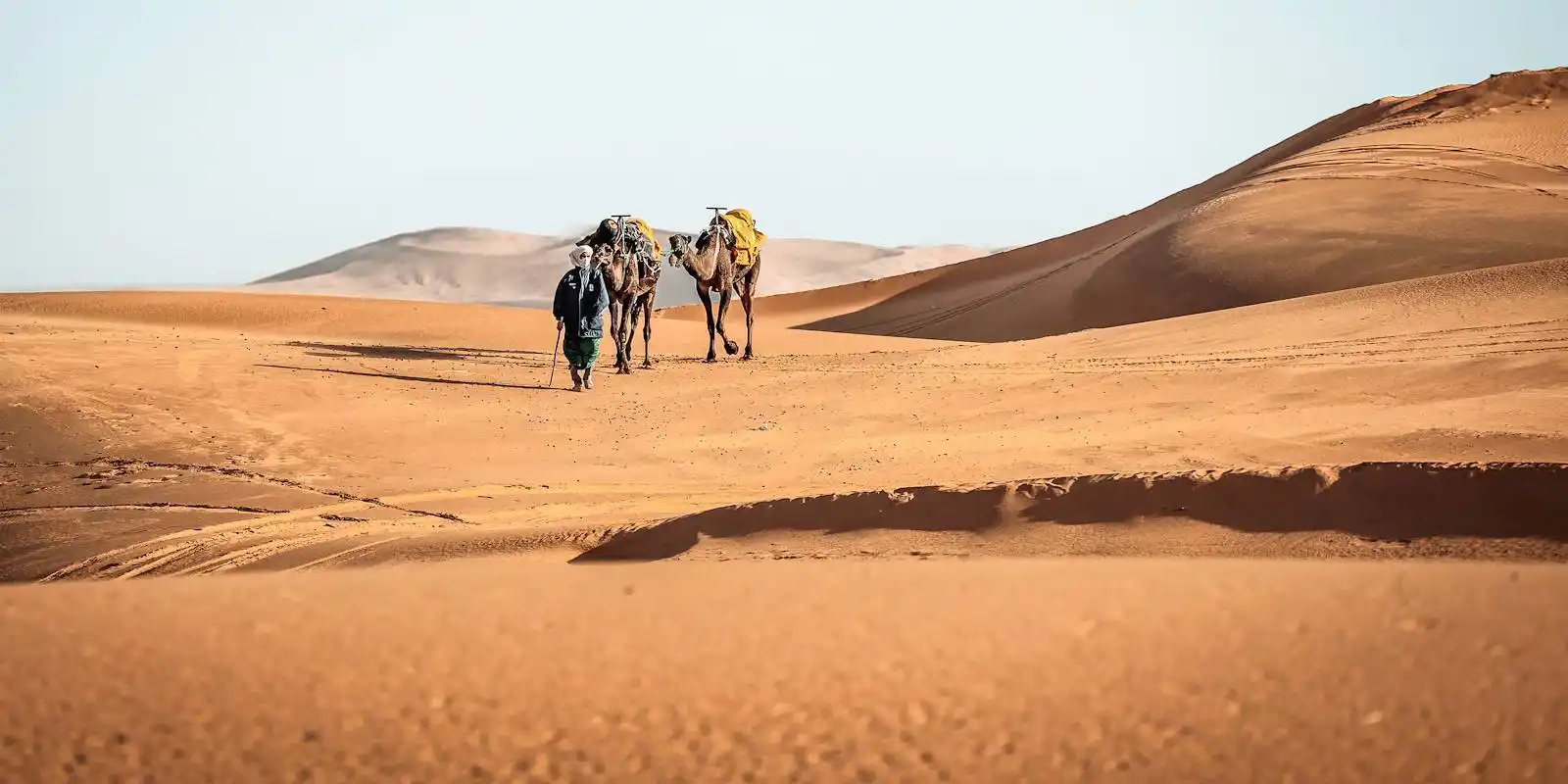
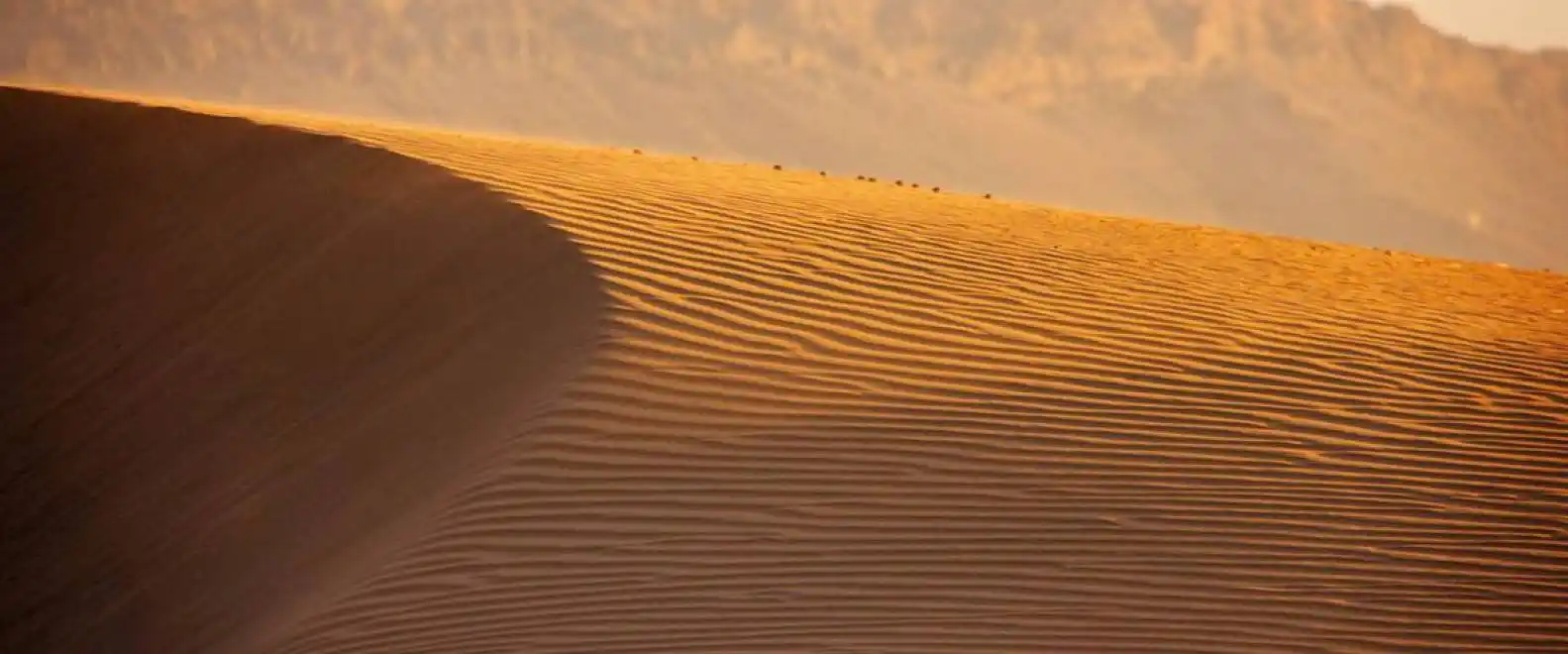
The golden dunes of Erg Chebbi near Merzouga are among the most famous in Morocco. Treks here range from short walks to multi-day journeys accompanied by camels and local guides. The changing colors of the dunes at sunrise and sunset are breathtaking.
Zagora & Erg Chigaga
If you want a more remote desert adventure, Erg Chigaga is an excellent choice. This area is less developed, meaning fewer tourists and a deeper feeling of wilderness. Multi-day treks cross rocky deserts, plateaus, dry rivers, and high dunes that stretch as far as the eye can see.
3. Anti-Atlas Treks – Off-the-Beaten-Path Morocco
The Anti-Atlas region, located in southern Morocco, is perfect for trekkers who want something different. The landscape here is volcanic, colorful, and filled with dramatic rock formations. Villages such as Tafraoute offer excellent base points for treks through palm oases, gorges, and ancient granaries.
Treks in the Anti-Atlas are suitable for moderate hikers and offer a slower, more peaceful experience compared to the High Atlas. The climate is warmer, making it a good winter trekking destination.
4. Best Time of the Year for Treks in Morocco
Morocco can be trekked year-round, but the best time depends on the region.
High Atlas & Toubkal
- Best: April to June & September to November
- Summer: Hot but doable
- Winter: Snowy, requires winter equipment and an experienced guide
Sahara Desert
- Best: October to April
- Summer: Very hot, not recommended for long treks
Anti-Atlas & Coastal Areas
- Best: October to May
- Mild all year, great winter destination
5. What to Expect From Treks in Morocco
Treks in Morocco are guided by professional mountain or desert guides who know the terrain, culture, and weather conditions. Multi-day treks often include:
- Licensed guide
- Mule or camel support
- Accommodation in guesthouses, refuges, or desert camps
- All meals and water
- Transport to and from the trailhead
Accommodation varies from simple to comfortable. In mountain treks, hikers often stay in refuges or Berber homes, while desert treks feature traditional nomad-style tents.
6. Tips for a Safe and Enjoyable Trek
To fully enjoy treks in Morocco, here are some helpful tips:
- Wear proper hiking shoes suitable for rocky trails.
- Bring layers, as temperatures can change quickly.
- Stay hydrated, especially in desert or summer treks.
- Use sunscreen, sunglasses, and a hat to protect against strong sun.
- Hire local guides, both for safety and cultural experience.
- Respect local customs and ask before taking photos in villages.
7. Choosing the Best Trek for You
Here’s a quick summary to help you pick the right trek:
- challenge: Toubkal Summit
- culture: Ait Bougmez Valley
- wilderness: M’Goun Massif
- desert adventure: Erg Chebbi or Erg Chigaga
- For winter trekking: Anti-Atlas Mountains
Whether you’re traveling alone, with friends, or as part of a group, Morocco offers routes for every level—from easy village walks to demanding peak climbs.
Conclusion: Treks in Morocco Offer a Lifetime Adventure
Treks in Morocco combine natural beauty, cultural richness, and unforgettable experiences. From the towering peaks of the High Atlas to the serene dunes of the Sahara, Morocco offers some of the most diverse and rewarding trekking routes on the African continent.
Whether you want to conquer Mount Toubkal, wander through Berber villages, or cross the magical Sahara on foot, Morocco promises an adventure that stays with you forever. With friendly guides, breathtaking landscapes, and authentic encounters along the way, trekking in Morocco is truly an experience like no other.